


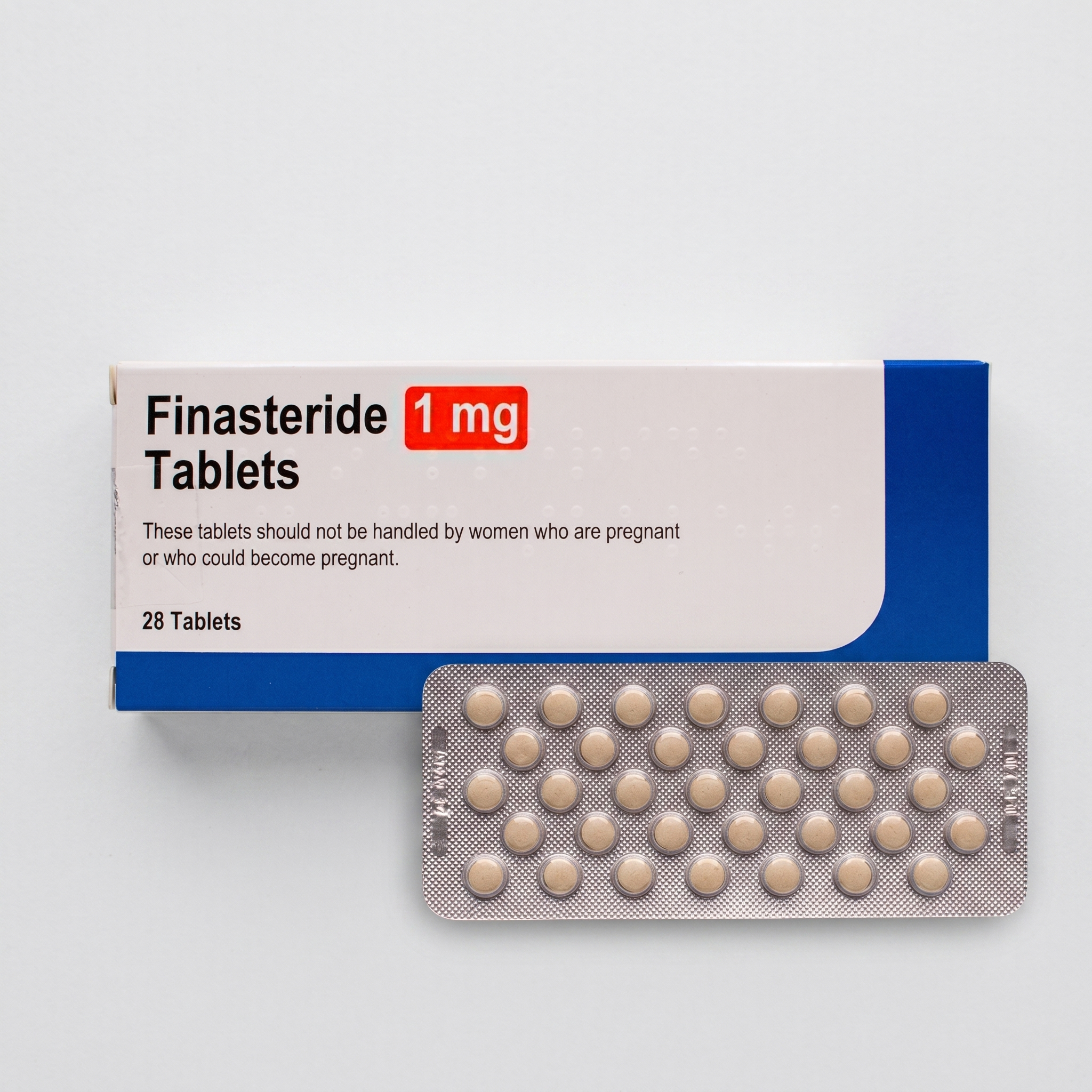
Finasteride

How it works
Blocks DHT, the hormone that causes hair follicles to shrink
Effect
Stops hair loss in 90% of men, with 66% experiencing regrowth
From
£14.99
/month
This treatment option is subject to a consultation followed by clinical review.
What is Finasteride?
Finasteride 1mg is a prescription tablet used to treat male pattern baldness (androgenetic alopecia). It’s the generic version of Propecia and works by blocking the hormone that causes hair follicles to shrink and eventually stop producing hair.
First approved in 1997, Finasteride has over 25 years of clinical data proving its safety and effectiveness. It’s the most studied and widely prescribed hair loss treatment in the world, with millions of men using it successfully.
Unlike topical treatments, Finasteride works from the inside out — addressing the root cause of hair loss rather than just treating symptoms. Most men see hair loss stop within 3 months and visible regrowth within 6-12 months.
How effective is Finasteride?
Finasteride is backed by over 25 years of clinical evidence and is the most studied hair loss treatment available. Here’s what the data shows after 2 years of treatment:
Best results are seen when treatment starts early, before significant hair loss has occurred. The sooner you start, the more hair you can save.

How does Finasteride work?
Finasteride targets the root cause of male pattern baldness — a hormone called DHT (dihydrotestosterone) that shrinks hair follicles over time.
By blocking DHT production, Finasteride protects your follicles and allows them to recover. Here’s what that means for you:
The cause — DHT: Male pattern baldness is caused by DHT (dihydrotestosterone), a hormone made from testosterone. In men genetically prone to hair loss, DHT shrinks hair follicles until they stop producing visible hair.
Blocks DHT production: Finasteride blocks the enzyme (5-alpha reductase) that converts testosterone to DHT. This reduces scalp DHT levels by around 70%, protecting your hair follicles from further damage.
Follicles recover: With DHT levels reduced, miniaturised hair follicles can return to their normal size, producing thicker, healthier hair. Most men see visible improvement within 6-12 months.
Testosterone unaffected: Finasteride doesn’t lower testosterone — it actually slightly increases it because less is being converted to DHT. It won’t affect your ability to build muscle or your athletic performance.
Combine for maximum results: For the best outcome, many men combine Finasteride with topical Minoxidil. Finasteride stops the cause (DHT) while Minoxidil stimulates follicle growth externally — studies show the combination produces better results than either alone.

Who is eligible for Finasteride?
Finasteride is a prescription treatment for men experiencing male pattern baldness. If you’ve noticed your hair thinning or your hairline receding, it may be the right option to stop further loss and promote regrowth.
Here’s what’s involved:
Who shouldn’t use Finasteride?
Finasteride isn’t suitable for everyone. It should not be used if you:
- Are female — Finasteride can cause birth defects. Women who are or may become pregnant must not handle crushed or broken tablets.
- Are under 18 years old.
- Have liver disease.
- Are allergic to finasteride or any of its ingredients.
- Have prostate cancer or have PSA testing planned.
- Have hair loss from other causes (e.g., stress, illness, medication).
Instructions
How to take Finasteride
Taking Finasteride couldn’t be simpler — it’s one small tablet taken once a day, with or without food. Take it at roughly the same time each day to build a consistent routine. There’s no need for injections, topical application, or special storage. Just swallow the tablet whole with water and get on with your day.
Step-by-step Instructions
Step 1
Take one tablet daily
Step 2
Be patient with results
Step 3
Continue long-term
Step 4
If you miss a dose
FAQs
Things you should know about Finasteride
Hair Loss Treatments
Our solutions for hair loss
Well-known treatments that are proven to work.
A clinician confirms which treatment is right for you — you don’t have to choose alone.
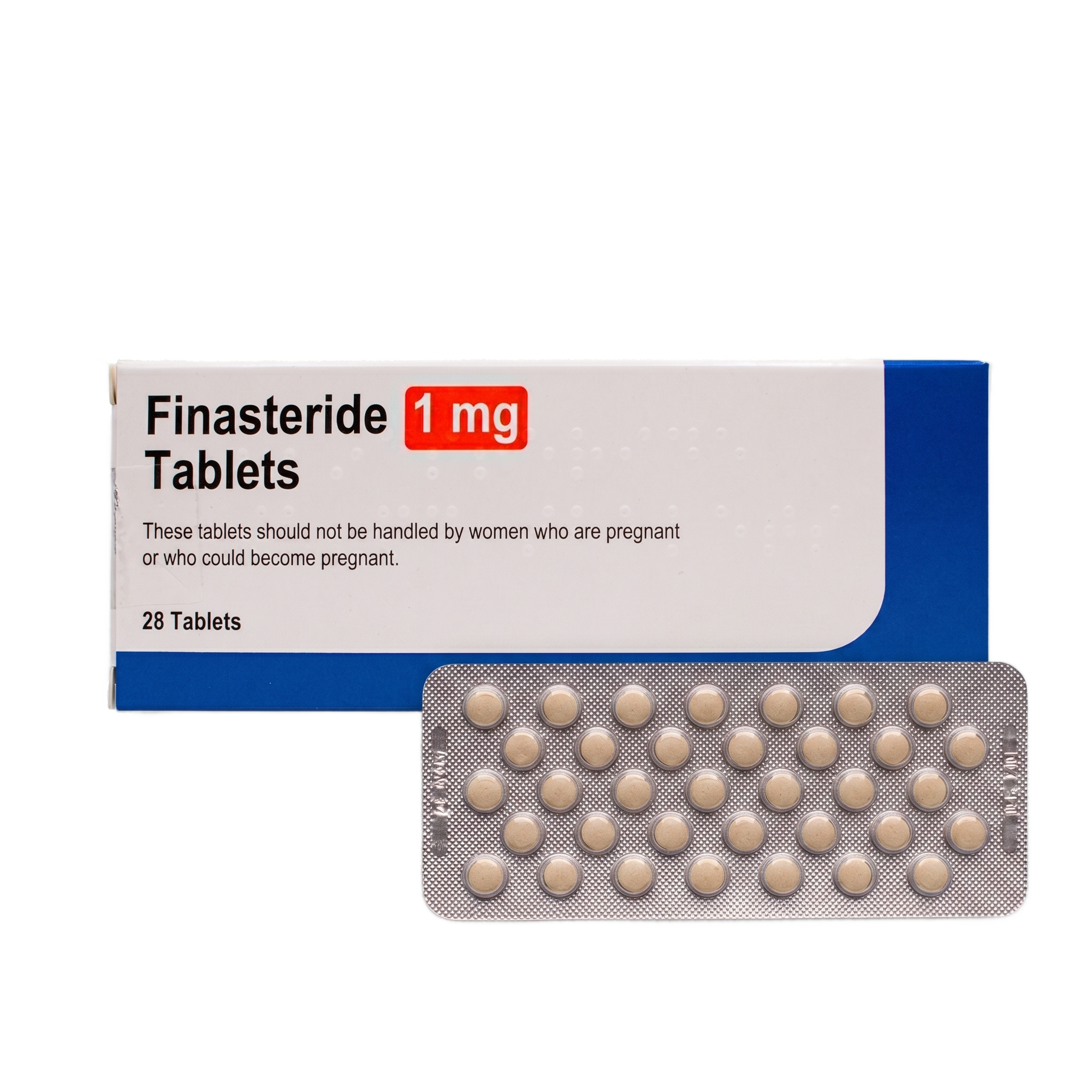
Finasteride
Daily tablet that blocks DHT.
From
£14.99
/month
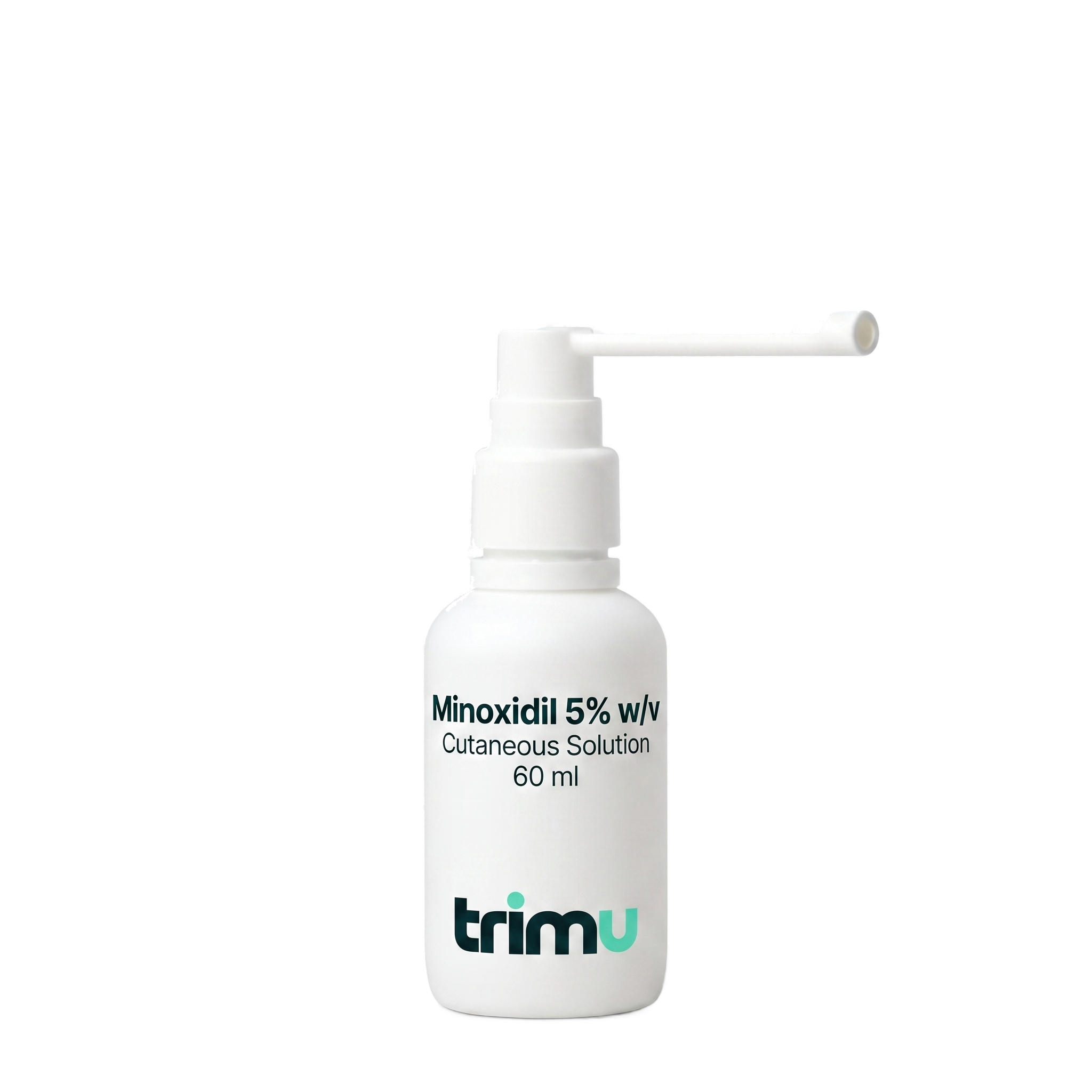
Minoxidil
Topical solution for the scalp.
From
£19.99
/month
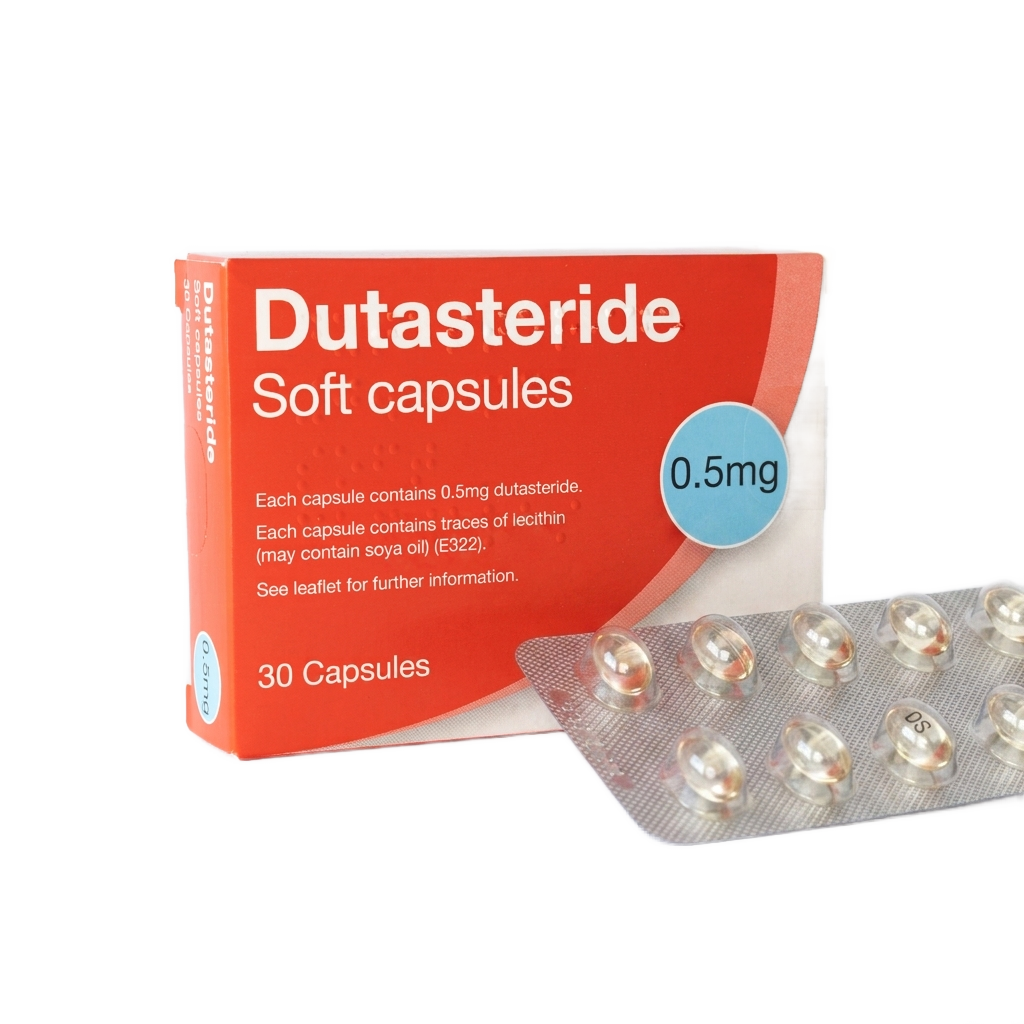
Dutasteride
Stronger DHT blocker tablet.
From
£19.99
/month
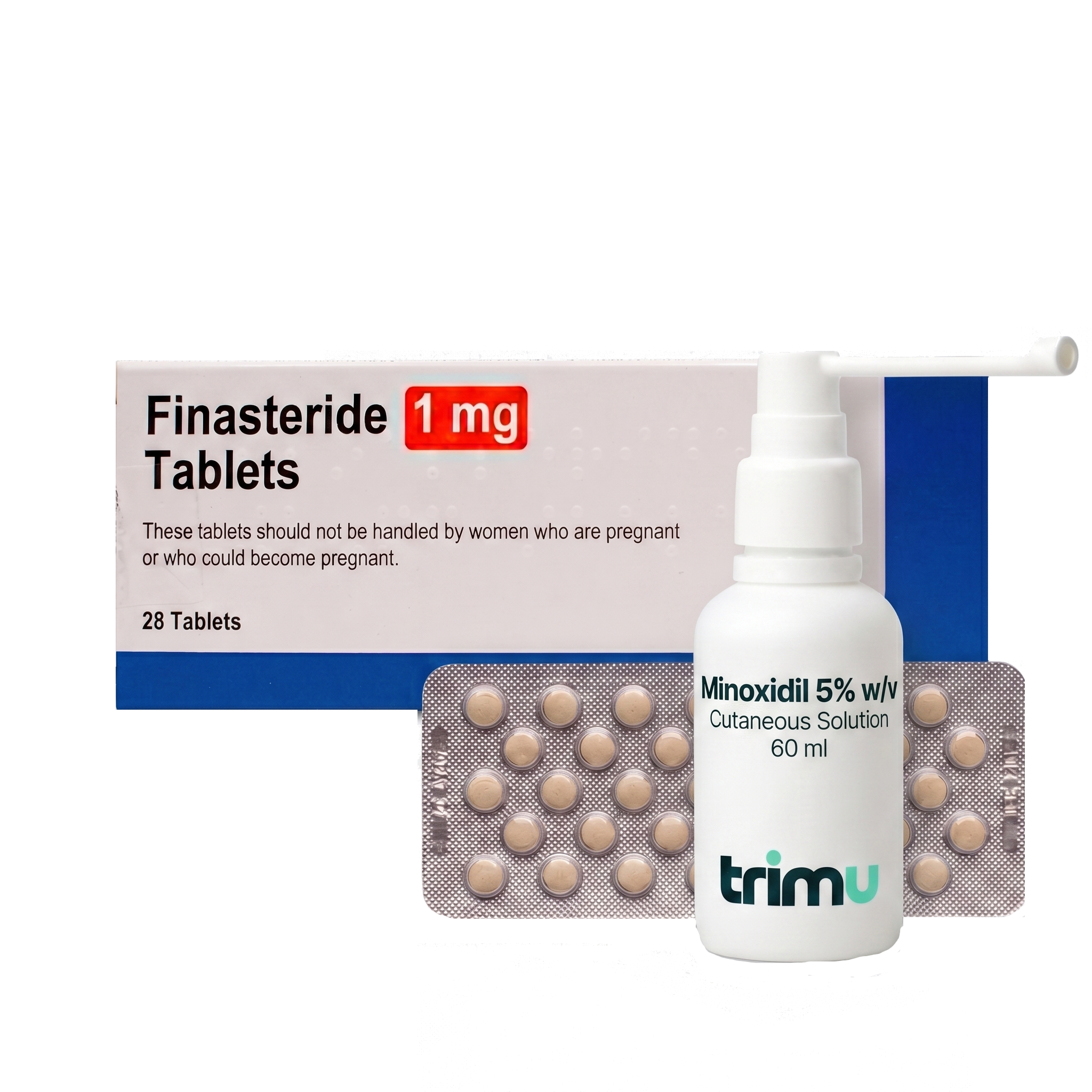
Finasteride + Minoxidil
Daily tablet and topical solution.
From
£39.99
/month
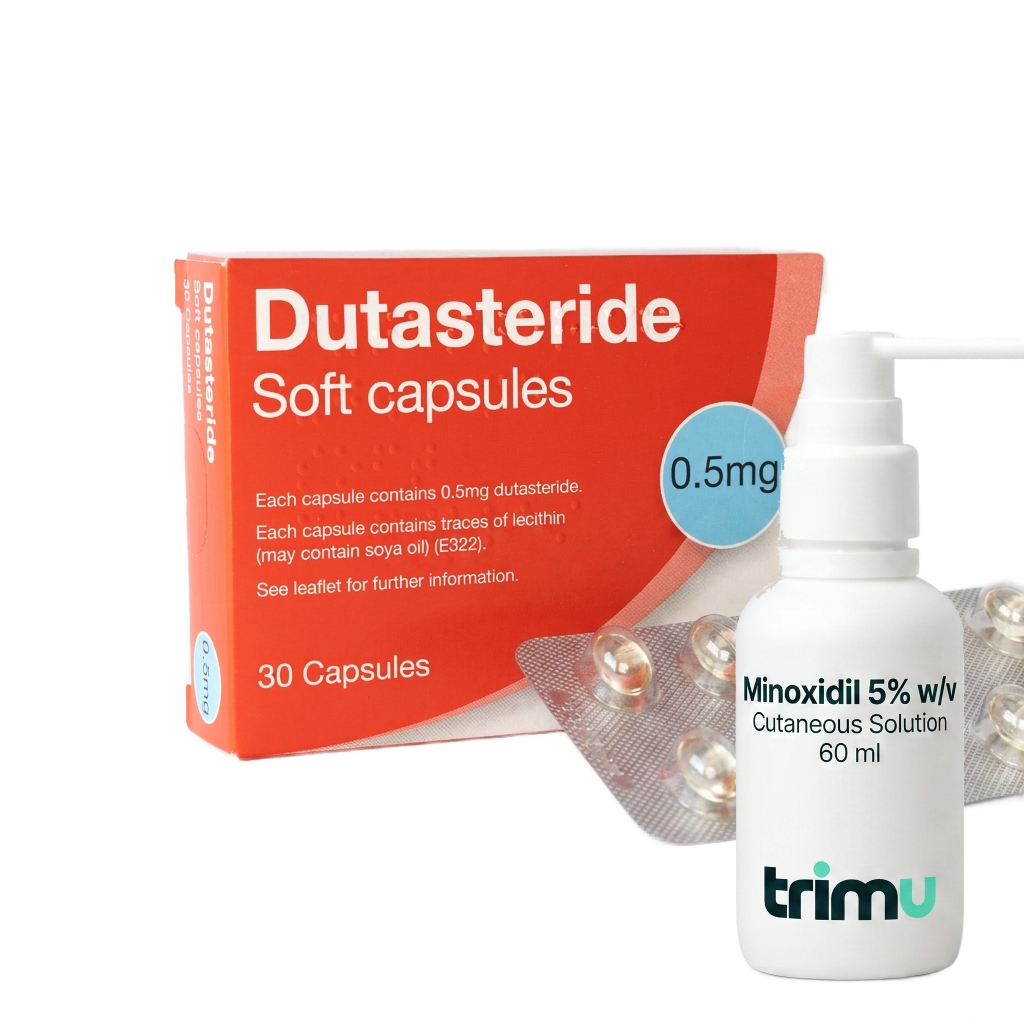
Dutasteride + Minoxidil
Daily tablet and topical solution.
From
£44.99
/month
About Trimu
Meet the team
Clinicians, pharmacists, and founders building a better way to get treatment.
Why you can trust Trimu
Regulated care from a registered UK pharmacy
Safe, discreet treatment — reviewed by qualified clinicians and dispensed by our own UK-registered pharmacy.
Registered UK pharmacy
Dispensed by a GPhC-registered UK pharmacy (premises 1037748).
Reviewed by registered clinicians
GMC-registered doctors and GPhC-registered pharmacists check every case before any treatment is approved.
Discreet, ongoing support
Free, discreet delivery and clinical support throughout your treatment.
Our mission
Trimu began with a simple belief: getting safe, effective treatment shouldn’t be expensive, complicated, or embarrassing. We pair UK-registered clinicians with our own regulated pharmacy to offer honest advice, fair prices, and genuinely discreet care — so you can get on with feeling better.