

How to Avoid Muscle Loss While Losing Weight
The 30-second version
- Losing some muscle alongside fat happens with any weight loss — it’s not unique to GLP-1 medication. The good news: most of the weight you lose is fat.
- You can hold on to far more muscle by doing two things well: resistance (strength) training and eating enough protein.
- Muscle isn’t just about looks — it supports your metabolism, strength, blood sugar and how well you age.
- On medication your appetite is smaller, so protein needs a bit of planning. Aim to make it a priority at every meal.
When weight starts coming off, the goal isn’t just a smaller number on the scale — it’s losing fat while keeping the muscle that keeps you strong, healthy and capable. Here’s how to avoid muscle loss while losing weight, in plain English, with the two levers that actually move the needle.
Can you really lose muscle while losing weight?
Yes — a little. When you’re in a calorie deficit, your body draws on its stores, and some of what’s lost is lean tissue (muscle, and also bone, organ and water), not just fat. This is true of every weight-loss method, from dieting to surgery to GLP-1 medication. Research suggests roughly a fifth to a third of total weight lost can come from lean mass, which means the clear majority is fat. And studies consistently find that combining treatment with exercise and good protein intake shifts that balance firmly in your favour.
So the headline isn’t “muscle loss is inevitable and scary.” It’s “muscle loss is largely preventable — if you give your body a reason to keep its muscle.”
Why holding on to muscle matters
- It keeps your metabolism ticking. Muscle is metabolically active tissue, so keeping it helps support the energy you burn at rest.
- It keeps you strong and functional. Carrying shopping, climbing stairs, staying mobile as you age — that’s muscle doing its job.
- It helps your metabolic health. Skeletal muscle is a major site for handling blood sugar, which matters for long-term health.
- It protects your results. More muscle and less fat is a better body composition — and a more sustainable place to be after treatment.
Lever 1: Resistance training (the big one)
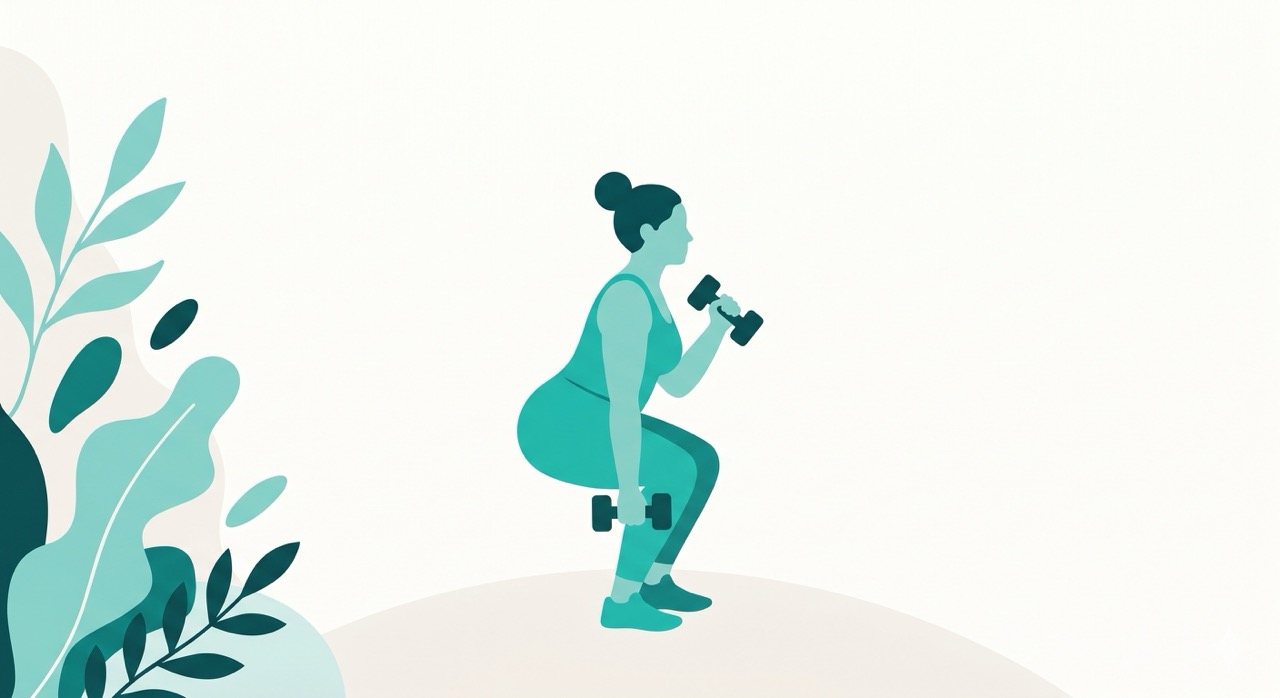
If you do one thing, do this. Strength training is the single most effective way to tell your body, “keep this muscle — I’m still using it.” When you challenge your muscles, they have a reason to stick around even while you’re losing weight.
The NHS recommends adults do muscle-strengthening activities that work all the major muscle groups on at least two days a week, alongside regular aerobic activity (around 150 minutes of moderate activity a week). For preserving muscle during weight loss, those strength sessions are the priority.
What “counts” as strength training
- Weights (dumbbells, barbells, machines) or resistance bands.
- Bodyweight moves: squats, lunges, press-ups, rows, sit-to-stands.
- Anything that works your legs, hips, back, chest, shoulders, arms and core against meaningful resistance.
Make it progressive: over time, gradually do a little more — slightly heavier, an extra rep, an extra set. That steady challenge is what preserves and builds muscle. You don’t need to train to exhaustion; consistency beats intensity here.
New to lifting? Start light, focus on form, and build up slowly. If you’re not sure where to begin or have any joint or health concerns, it’s worth getting guidance before you dive in.
Lever 2: Protein (eat enough, spread it out)
Protein is the raw material your body uses to maintain and build muscle. During weight loss, getting enough of it sends a powerful “keep the muscle” signal — and research shows higher-protein eating helps preserve lean mass compared with low-protein diets.
How much? Many guidelines suggest more than the basic baseline (around 0.8 g per kg of body weight a day) when you’re losing weight — often in the region of 1.2–1.6 g per kg per day, and people who strength-train regularly sometimes aim a little higher. The right target for you depends on your weight, age, health and goals, so treat that as a general guide and confirm what’s appropriate with your clinician.
One catch worth naming: on weight-loss medication your appetite is smaller, so it’s easy to under-eat protein without meaning to. A little planning fixes it.
Easy ways to hit your protein
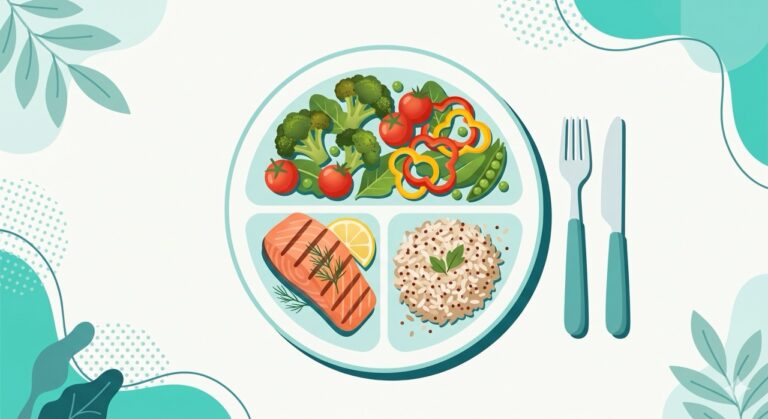
- Lead each meal with protein. Eggs, Greek yoghurt, chicken, fish, lean meat, tofu, beans, lentils. With a smaller appetite, eat the protein first.
- Spread it across the day rather than one big hit — some protein at each meal works best.
- Keep easy options handy for low-appetite days: a protein shake, milk, cottage cheese, edamame, or a high-protein soup can go down easily when food feels like a lot.
A few extras that help
- Don’t rush the loss. Steadier weight loss tends to protect muscle better than crash-style drops. Trust the process.
- Prioritise sleep. Recovery is when muscle repairs and adapts — poor sleep works against you.
- Stay hydrated. It helps with training, recovery and the digestive side effects that can come with medication.
- Track more than the scale. Strength, how clothes fit, and measurements tell you more about what you’re losing than weight alone.
Track what really matters with My Journey
With My Journey, your private patient hub, you can log more than weight — track measurements and how you’re feeling, keep an eye on progress over time, manage your treatment and repeat orders, and message your clinical team whenever a question comes up. It’s there to help you lose fat and keep your strength, week after week.
Staying safe
Here’s a simple guide to what’s normal, what’s worth a check-in, and what needs urgent attention. This is general information — always follow the advice of your own clinician and your patient leaflet.
Usually normal
Some muscle soreness when you start or progress your training, a bit less energy in early weeks as your body adjusts, and weight that moves unevenly week to week. Strength typically holds or improves when you train consistently and eat enough protein.
Check in with your clinician
- You’re struggling to eat enough food or protein because of reduced appetite or nausea.
- You notice unusual weakness, your strength dropping noticeably, or weight falling very fast.
- You’re thinking about protein supplements or big diet changes and want them checked against your treatment.
- You have a health condition or injury and want guidance before starting resistance training.
Get urgent medical help
- Severe, persistent stomach pain that may spread to your back, often with vomiting — a possible sign of pancreatitis. Uncommon but serious. Seek urgent help.
- Signs of a serious allergic reaction (swelling of the face, lips or throat; difficulty breathing).
- Feeling faint, signs of severe dehydration, or chest pain during exertion.
In an emergency call 999. For urgent but non-emergency advice, call 111. You can report any suspected side effect via the MHRA Yellow Card scheme.
Lose fat, keep your strength — with clinical support
Trimu’s weight-loss pathway is built around healthy, sustainable change — not just a smaller number on the scale. Start a confidential online assessment and our UK clinical team will help you do this the right way.
FAQ
Will I definitely lose muscle on weight-loss medication?
Some lean mass loss can happen with any weight loss, but it’s largely preventable. Strength training and enough protein dramatically improve how much muscle you keep — most of what you lose should be fat.
Is cardio or weights better for keeping muscle?
For preserving muscle, resistance training wins. Cardio is great for your heart and overall health, so a mix is ideal — but if muscle is the priority, make strength work the non-negotiable.
I can barely eat — how do I get enough protein?
Eat your protein first, keep portions small but frequent, and lean on easy options like shakes, yoghurt or milk on low-appetite days. If you genuinely can’t manage enough food, tell your clinical team.
Do I need protein powder or supplements?
Not necessarily — food first is ideal. A protein shake can be a handy, easy-to-tolerate top-up when appetite is low, but it’s a convenience, not a requirement. Check any supplement plan with your clinician.
I’ve never lifted weights. Where do I start?
Begin with bodyweight basics or light weights, focus on good form, and add a little more over time. Two short sessions a week is a brilliant start. If you have any health concerns, get guidance first.
Do weight loss the healthy way
Trimu is a CQC-registered UK telehealth service and online pharmacy. Start your confidential assessment and get clinician-led support to lose fat, protect your muscle, and feel your best.
Medical disclaimer. This article is for general information and education only. It is not medical, nutritional or fitness advice, and is not a substitute for a consultation with a qualified healthcare professional. Protein needs, calorie intake and suitable exercise vary between individuals — speak to your clinician before making significant changes to your diet or starting a new exercise programme, especially if you have any underlying health conditions. GLP-1 medications are prescription-only medicines and are not suitable for everyone. Information here reflects general UK guidance, including NHS physical activity recommendations, and is accurate to the best of our knowledge at the time of publication; guidance can change. If you think you are experiencing a medical emergency, call 999. For urgent advice call NHS 111. Suspected side effects can be reported via the MHRA Yellow Card scheme. Trimu (AO Health Ltd) is registered with the Care Quality Commission.