


How to Ease GLP-1 Nausea: Causes, Diet Tips & Relief
If you’ve just started a GLP-1 medication — like semaglutide or tirzepatide — and you’re feeling a bit queasy, you’re in good company. Nausea is the most common side effect of these treatments, and for most people it’s a sign the medicine is doing exactly what it’s meant to. The better news: it’s usually mild, it usually fades, and there’s a lot you can do to take the edge off.
This guide explains why GLP-1s cause nausea, how long it tends to last, the practical things that actually help, and the warning signs that mean you should get in touch with a clinician.
The 30-second version
- Nausea happens because GLP-1s slow down how quickly your stomach empties — you feel full faster, for longer.
- It’s most common in the early weeks and just after a dose increase, and for most people it eases over time.
- Smaller meals, eating slowly, going easy on fatty and fried food, and staying hydrated make the biggest difference.
- Severe or persistent tummy pain is not normal nausea — that needs urgent medical attention.
Why do GLP-1 medications cause nausea?
GLP-1 medications work by mimicking a natural gut hormone that tells your brain you’re full. Part of how they do this is by slowing down how fast food leaves your stomach (the clinical term is delayed gastric emptying). That’s brilliant for appetite and portion control — but it also means food sits in your stomach longer, which can leave you feeling full, bloated, or a little queasy, especially after a big or rich meal.
There’s also a direct effect on the part of the brain that controls feelings of sickness. Put the two together and you’ve got the most reported side effect of the whole medication class. The upside is that because we understand why it happens, the fixes are refreshingly practical — they’re mostly about working with your slower-emptying stomach rather than against it.
How common is it — and how long does it last?
Nausea is common, but it’s rarely the whole story. Most people who experience it find it’s mild to moderate, and it tends to be at its worst in the first few weeks and in the days after a dose increase. As your body adjusts, it usually settles down — and the majority of people are able to build up to their full dose without major problems.
This is exactly why GLP-1 doses are increased gradually rather than all at once. That slow, stepped titration gives your system time to adapt and is one of the best tools for keeping nausea manageable. If a dose step is hitting you hard, that’s worth a conversation with your clinician — sometimes staying on a dose a little longer before stepping up makes all the difference.
The golden rules: how to eat to ease nausea
If you change just one thing, change how you eat. These habits work because they reduce the load on a stomach that’s already emptying more slowly:
- Eat smaller portions, more often. Three large meals can overwhelm you — several smaller ones are much gentler.
- Slow right down. Eat unhurriedly and put your fork down between bites. Your “I’m full” signal now arrives early — give it time to land.
- Stop when you’re satisfied, not stuffed. Pushing past fullness is a fast track to feeling sick.
- Stay upright after eating. Try to stay sitting or standing for at least an hour, and avoid eating in the two to three hours before bed.
Foods that tend to help
- Bland, plain foods — toast, crackers, rice, oats, plain potatoes
- Lean protein spread across the day — chicken, fish, eggs, Greek yoghurt, cottage cheese, tofu
- Cool or room-temperature foods, which can smell less strongly than hot meals
- Ginger and peppermint — ginger tea, ginger chews or peppermint tea between meals have genuine evidence behind them for settling the stomach
Foods and drinks that tend to make it worse
- Fatty, fried and greasy foods — these take the longest to digest
- Very spicy or heavily seasoned dishes
- Sugary foods and large, rich meals
- Fizzy drinks, which add to bloating
- Alcohol, which irritates the stomach and can worsen queasiness
Don’t forget to hydrate
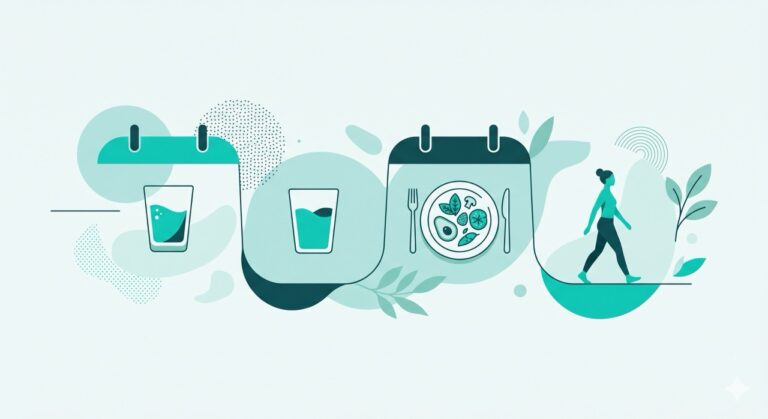
It’s easy to drink less when you’re feeling full or queasy, but staying hydrated genuinely helps nausea — and helps with the constipation that can come alongside it. Sip water steadily through the day rather than gulping large amounts at once (a full glass on an already-full stomach can backfire). If plain water isn’t appealing, cold water with a slice of lemon, or a weak ginger or peppermint tea, can be easier to get down.
Track how you feel with My Journey
Side effects are easiest to manage when you can see the pattern. Your My Journey hub in the Trimu patient portal lets you log how you’re feeling each day, so you and your clinician can spot whether nausea is settling, which days are tougher, and how you’re handling each dose step. If something doesn’t feel right, you can message your clinical team directly from the portal — no waiting rooms, no phone queues.
When to contact your clinician
Most nausea is a nuisance rather than a worry. But it’s important to know the difference between ordinary side effects and the signs that need attention.
Usually normal — try the tips above
Mild to moderate nausea, feeling full quickly, mild bloating, or a bit of queasiness in the first weeks or after a dose increase. This often improves as your body adjusts.
Check in with your Trimu clinician
- Nausea that isn’t easing after a few weeks, or that’s affecting your daily life
- Vomiting that keeps happening, or that’s stopping you eating and drinking normally
- A dose increase you’re really struggling to tolerate
- Signs you’re not keeping enough fluid down — feeling very thirsty, dizzy, or passing little urine
Your clinician can talk through options such as adjusting your titration. Don’t change your dose on your own — message your team first.
Urgent — get medical help straight away
UK regulators (the MHRA) advise anyone taking a GLP-1 medication to seek urgent medical attention if you develop severe, persistent stomach pain that may spread through to your back, with or without nausea and vomiting. This can be a sign of pancreatitis (inflammation of the pancreas), which is rare but serious. Stop taking your medication and contact NHS 111, or call 999 if the pain is severe.
Also seek urgent help for signs of a severe allergic reaction — swelling of the face, lips, tongue or throat, a widespread rash, or difficulty breathing.
Quick recap: your nausea toolkit
- Small meals, eaten slowly, stopping before you’re full
- Go easy on fatty, fried, spicy and sugary foods, fizzy drinks and alcohol
- Lean protein and bland foods are your friends
- Sip water through the day; try ginger or peppermint
- Stay upright after eating; don’t eat late at night
- Trust the slow titration — and speak to your clinician if a dose is too much
GLP-1 nausea FAQs
How long does nausea from a GLP-1 last?
For most people it’s worst in the first few weeks and after each dose increase, then eases as the body adjusts. It varies from person to person, but it’s usually a passing phase rather than a permanent one.
Should I stop my medication if I feel sick?
Don’t stop or change your dose on your own. Mild nausea usually responds well to the diet and lifestyle tweaks above. If it’s severe or not improving, message your Trimu clinician — they can advise on the best next step.
Does drinking water help with GLP-1 nausea?
Staying hydrated helps with both nausea and constipation. Sip steadily through the day rather than drinking large amounts at once, which can add to that overly-full feeling.
Is feeling sick a sign the medication is working?
Nausea is a common side effect of how GLP-1s work, but it isn’t a measure of how well they’re working — plenty of people get great results with little or no nausea. The goal is comfortable, steady progress, not toughing out side effects.
When is stomach pain something to worry about?
Ordinary side effects feel like queasiness, fullness or mild bloating. Severe, persistent pain — especially pain that spreads to your back — is different and needs urgent medical attention, as it can be a sign of pancreatitis.
Thinking about weight-loss treatment?
With Trimu, you’re never managing it alone. A quick online consultation with UK-registered clinicians, genuine medication delivered discreetly, and the My Journey portal to track your progress and side effects every step of the way — including direct messaging with your clinical team when you need it.
This article is for general information and education only and does not replace personalised advice from a qualified healthcare professional. Always read the patient information leaflet supplied with your medication and follow your clinician’s instructions. If you think you’re having a medical emergency, call 999.