

Side Effects of Finasteride: Separating Fact From Fear
Search “finasteride side effects” and you’ll find two internets: one full of men who’ve taken it for years with no trouble, and one full of alarming stories. Neither extreme is the whole truth. So let’s do something the comment sections rarely do — look calmly at what the evidence actually shows, what’s genuinely uncertain, and how to make a sensible decision for you.
⏱️ The 30-second version
- Most men who take finasteride don’t get side effects.
- The main recognised risk is sexual side effects — a real but minority effect, usually reversible.
- The UK regulator (MHRA) also flags a link with low mood, depression and suicidal thoughts, and now puts an alert card in every pack. This is taken seriously.
- Persistent effects after stopping are reported but uncommon and still debated — the honest answer is that the science isn’t fully settled.
- The smart move isn’t fear or blind reassurance — it’s an honest assessment, monitoring, and stopping if something feels off.
Quick refresher: what finasteride does
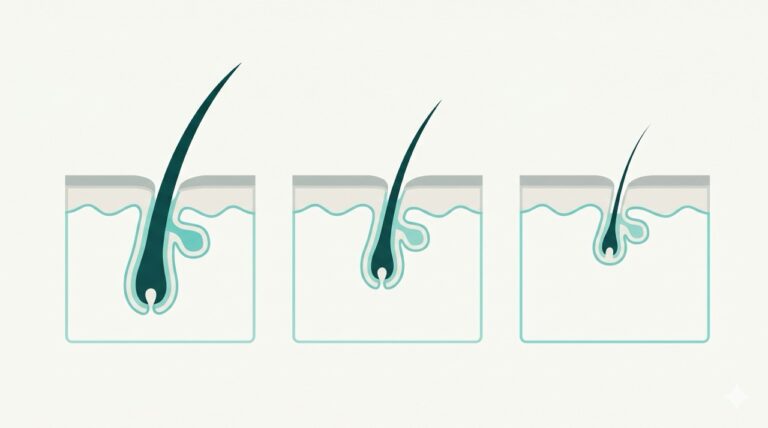
Finasteride lowers DHT, the hormone behind male pattern baldness, by blocking the enzyme that makes it. Less DHT means less pressure on the follicles that are sensitive to it. Because DHT also has roles elsewhere in the body, lowering it is also where the potential side effects come from — that’s the trade-off worth understanding.
The facts: side effects that are real
Sexual side effects are the ones you’ll hear about most — a lower sex drive, difficulty getting or keeping an erection, or changes to ejaculation. In the year-long trials for hair loss, these showed up in a small but real minority of men — a few percent — somewhat more often than in the placebo group, and in most cases they eased over time or after stopping.
Mood changes matter too. Following its review, the MHRA highlights a link between finasteride and depression and suicidal thoughts, and now requires a patient alert card in every pack. It’s less common than the sexual side effects, but it’s serious — which is exactly why it’s worth knowing about and watching for.
Rarer effects include breast tenderness or swelling, and — very rarely — allergic reactions. Any new breast lump, tenderness or nipple discharge is worth getting checked promptly, just to be safe.
💡 Putting numbers in perspective: in the hair-loss trials, sexual side effects affected roughly a low single-digit percentage of men, and a small number stopped treatment because of them. Real, but not the near-certainty the scariest threads imply. The flip side: averages aren’t you, which is why personal monitoring beats internet statistics.
Where fact meets fear
Here’s where it gets nuanced — and where most online arguments go wrong by insisting it’s all fine or all catastrophic. A few things can both be true at once:
- The “nocebo” effect is real. Studies show that simply expecting side effects can produce them. That doesn’t mean symptoms are imaginary — they’re felt for real — but it does mean anxiety and expectation play a measurable part.
- “Post-finasteride syndrome” is genuinely debated. Some men report sexual, physical or mood symptoms that persist after stopping. It’s reported in the literature, but it isn’t consistently defined and the evidence quality is limited — so honest clinicians neither dismiss it nor present it as settled fact.
- Safety reports show a signal, not a frequency. The regulator’s Yellow Card reports flag that effects can happen and sometimes persist — but voluntary reports can’t tell you the odds for any one person. They’re a reason for caution and awareness, not panic.
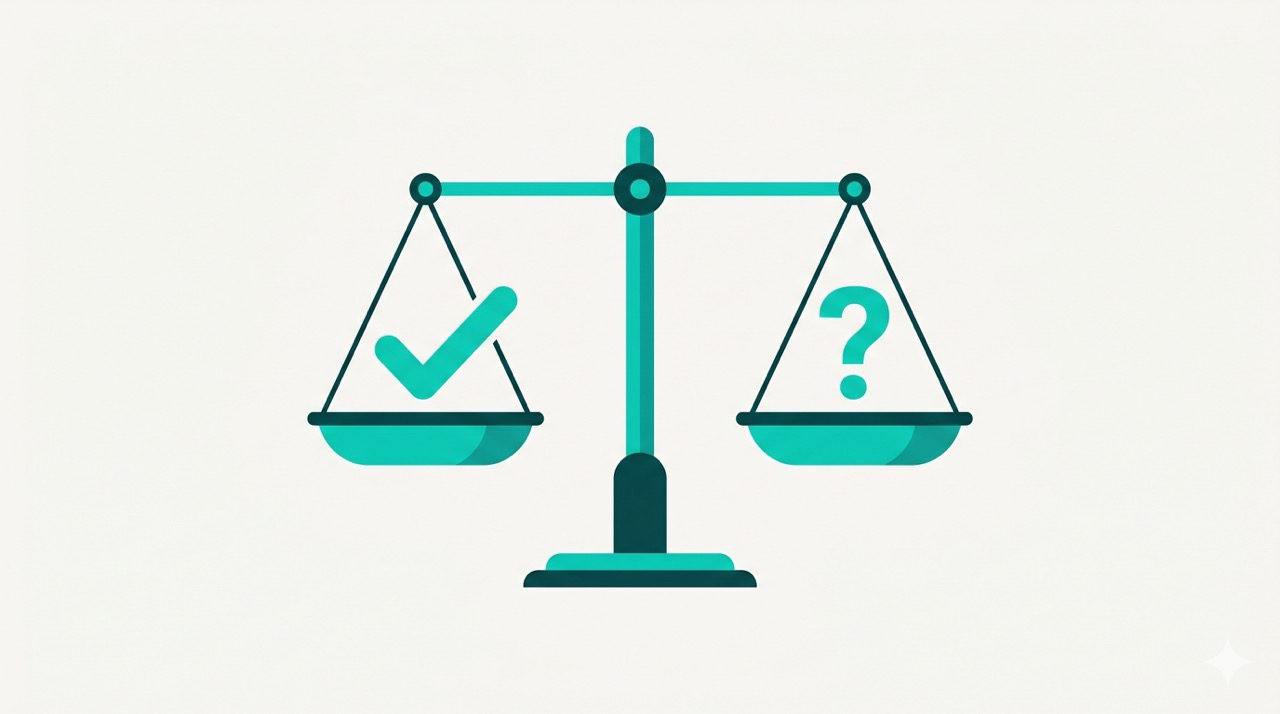
⚠️ The grown-up takeaway: the serious risks are real and worth respecting — and the worst-case stories aren’t the typical experience. You don’t have to choose between ignoring the risks and being terrified of them. The middle path is informed consent and good monitoring, which is exactly what a proper consultation is for.
How to use it sensibly
If you and your clinician decide finasteride is right for you, a few things genuinely tilt the odds in your favour:
- Be honest in your assessment. Tell your clinician about any history of depression, low mood or sexual difficulties — this directly shapes whether and how it’s prescribed.
- Ask about the topical option. A topical form targets DHT in the scalp with less getting into the bloodstream, which may lower the chance of body-wide side effects for some people. Your clinician can advise whether it’s suitable.
- Check in early. If anything changes, flag it rather than quietly enduring it. Many side effects ease, and options can be adjusted.
- Remember you can stop. This is an elective treatment for a non-dangerous condition. Stopping is always on the table, and most effects settle afterwards.
What’s normal, what to check, what’s urgent
A simple traffic-light guide. Keep it handy.
🟢 Usually nothing at all
For most men, day-to-day life on finasteride is uneventful. If mild effects do appear, they’re often temporary. No news is genuinely the common story here.
🟠 Check in with your clinician
Any change in your sex drive, erections or ejaculation; new breast tenderness, swelling, a lump or nipple discharge; or any side effect that’s bothering you or sticking around. Don’t tough it out — message your clinical team and we’ll review your options together.
🔴 Stop and get help straight away
If you ever notice low mood, depression, or any thoughts of harming yourself while taking finasteride, stop the medicine and seek help right away — contact your clinician or GP, call 111, or 999 if you’re in immediate danger. You can also talk to the Samaritans free, any time, on 116 123. The same urgency applies to signs of a serious allergic reaction — swelling of the face, lips, tongue or throat, or trouble breathing.
Talk it through, properly
The best antidote to fear is a real conversation. Start our online assessment and a Trimu clinician will walk you through the benefits and risks for your situation — including history, alternatives and the topical option — so you can decide with clear eyes, not a comment section.
✨ Stay in the loop with “My Journey”
Good monitoring is what turns a leap of faith into a managed decision. Inside your Trimu patient portal, My Journey makes it easy to check in: track how you’re feeling over time, flag any side effects the moment they appear, message your clinical team without booking anything, and adjust or pause treatment when you need to. You’re never just left to get on with it.
Frequently asked questions
Will I definitely get side effects?
No. Most men who take finasteride don’t experience side effects. The risks are real and worth knowing, but they affect a minority — not everyone, and not inevitably.
If I get sexual side effects, are they permanent?
In the great majority of cases they ease over time or resolve after stopping. Persistent effects after stopping have been reported, but appear uncommon and remain genuinely debated. If you notice anything, the safest step is to flag it early.
Is “post-finasteride syndrome” real?
Some men report lasting symptoms after stopping, and those experiences shouldn’t be dismissed. At the same time, the condition isn’t consistently defined and the research is limited, so the science is unsettled. A good clinician takes reported symptoms seriously without overstating what’s proven.
Does finasteride cause depression?
The MHRA has highlighted a link with low mood, depression and suicidal thoughts, which is why there’s now a patient alert card in every pack. If you develop these symptoms, stop and seek help promptly — and always tell your clinician about any mental-health history before starting.
Is the topical version safer than tablets?
Topical finasteride targets DHT in the scalp with less reaching the bloodstream, which may reduce the chance of body-wide side effects for some people. It isn’t risk-free, though, and whether it suits you is a clinical decision.
Can I lower my chances of side effects?
An honest assessment, considering the topical option, and monitoring early all help. And because this treats a non-dangerous condition, you can always stop if it doesn’t agree with you.
Looking for something else?
We cover more than hair loss. Explore our other treatment pathways:
Medical disclaimer. This article is for general education and isn’t a substitute for personalised medical advice. Finasteride is a prescription-only medicine and is supplied only after an online consultation with a Trimu clinician, who will confirm whether it’s appropriate and safe for you. Always read the patient information leaflet and the patient alert card supplied with your medicine, and report any suspected side effects to your clinician or via the MHRA Yellow Card scheme (yellowcard.mhra.gov.uk). Finasteride is not for use by women, especially during pregnancy. Trimu (AO Health Ltd) is registered with the Care Quality Commission (CQC). If you think you’re experiencing a medical emergency, call 999. Information last reviewed June 2026.