

What to Eat While on a GLP-1: A Simple Nutrition Guide
Here’s something that surprises a lot of people starting a GLP-1 medication: eating well matters more now, not less. When your appetite shrinks and you’re naturally eating smaller amounts, every mouthful has a bigger job to do. The goal shifts from “eat less” to “make what you eat count” — so you lose fat, protect your muscle, keep your energy up, and feel good doing it.
This guide breaks down what to prioritise on your plate, what to go easy on, and how to eat in a way that works with your medication — no complicated meal plans, just simple principles you can actually stick to.
The 30-second version
- Protein first — it protects your muscle while you lose fat. Build every meal around it.
- Fibre and fluids keep digestion comfortable and help with constipation.
- Go for nutrient-dense, minimally processed foods — when you eat less, quality counts.
- Pair it with some resistance exercise to hold onto muscle and feel stronger.
Why nutrition matters more on a GLP-1
GLP-1 medications turn down your appetite, so you naturally eat less. That’s exactly how they help with weight loss — but it also means you’re getting fewer calories and fewer nutrients overall. If those smaller meals are mostly low-quality food, you can end up under-fuelled, low on key vitamins and minerals, and at risk of losing muscle alongside fat.
In 2025, four leading obesity and nutrition organisations published joint guidance on exactly this. Their core message was simple: the medication does the heavy lifting on appetite, but what you eat decides the quality of your results — how much muscle you keep, how good you feel, and how well the weight stays off long term.
1. Make protein the star of every meal
This is the big one. When you lose weight, some of it can come from muscle as well as fat — and protein is your main defence against that. Eating enough protein helps preserve lean muscle, keeps you fuller for longer, and supports your metabolism.
A simple approach that works for most people: include a palm-sized portion of protein at every meal, and spread it across the day rather than loading it all into your evening meal. Great options include:
- Chicken, turkey, lean beef and pork
- Fish and seafood
- Eggs
- Greek yoghurt, cottage cheese and other dairy
- Beans, lentils, tofu and other plant proteins
- A protein shake on days when eating feels like a chore
Experts often suggest higher protein during active weight loss than people typically eat. The right target for you depends on your weight, body composition and health, so it’s worth confirming a specific goal with your clinician or a dietitian rather than guessing.
2. Don’t skip fibre
Because GLP-1s slow your digestion, constipation is a common companion to the smaller appetite. Fibre is the fix. It keeps things moving, feeds your gut bacteria, and adds satisfying bulk to meals without many calories. Aim to include some at most meals:
- Vegetables and fruit (a mix of colours)
- Whole grains — oats, brown rice, wholewheat bread, quinoa
- Beans, lentils and chickpeas (fibre and protein — a double win)
- Nuts and seeds, in modest amounts
If you’re not used to much fibre, increase it gradually and drink plenty of water alongside — adding lots of fibre too fast can cause bloating.
3. Stay hydrated
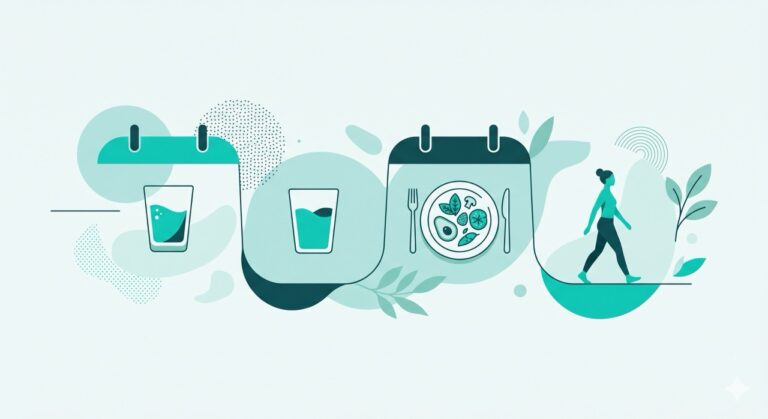
It’s easy to drink less when you’re eating less and feeling full — but hydration helps with energy, digestion, constipation and even those false “hunger” signals that are really thirst. Keep a water bottle within reach and sip steadily through the day. Herbal teas and water flavoured with fruit count too. Try not to drink large amounts during meals, though, as it can crowd an already-full stomach.
4. Choose nutrient-dense, minimally processed foods
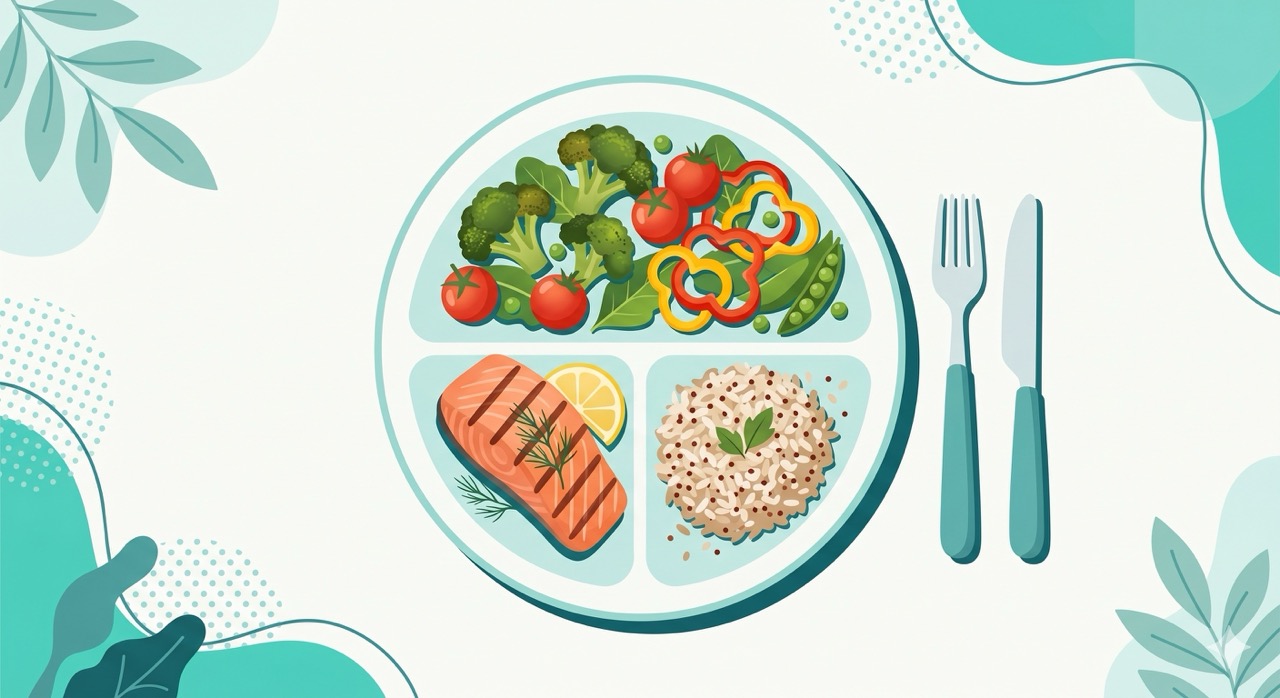
When you’re eating smaller portions, the quality of each bite matters more than ever. Whole, minimally processed foods give you more vitamins, minerals and fibre per mouthful — which helps you avoid the nutrient gaps that can creep in during rapid weight loss. Think colourful plates: vegetables, fruit, lean proteins, whole grains and healthy fats like olive oil, nuts and avocado.
This doesn’t mean perfection or cutting out everything you enjoy. It just means making whole foods your foundation, so the smaller amount you’re eating is genuinely nourishing you.
Build healthy habits with My Journey
Lasting results come from steady habits, not willpower. Your My Journey hub in the Trimu patient portal helps you stay on track between meals and milestones — log how you’re getting on, keep an eye on your progress, and message your clinical team whenever you’ve got a question about your diet or your treatment. Real support, built into the journey.
Protect your muscle: move as well as eat
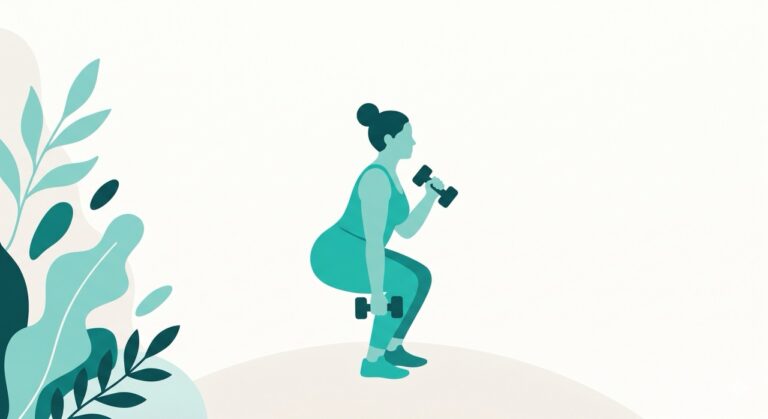
Nutrition and movement are a team here. Pairing your protein intake with some resistance exercise — bodyweight workouts, resistance bands, weights, or anything that challenges your muscles — is one of the best ways to hold onto lean mass while you lose fat. You don’t need a gym membership or hours of training; a couple of short, consistent sessions a week makes a real difference to how strong and toned you feel as the weight comes off.
What to go easy on
You don’t need a list of forbidden foods, but a few things are worth limiting — both because they crowd out better choices and because they can worsen GLP-1 side effects like nausea and bloating:
- Fatty, fried and greasy foods — slow to digest and a common nausea trigger
- Sugary foods and drinks — lots of calories, little nourishment
- Heavily processed snacks — easy to over-eat, low on nutrients
- Fizzy drinks — add to bloating
- Alcohol — irritates the stomach, adds empty calories, and can hit harder when you’re eating less
What a day might look like
This is an illustration, not a prescription — portion sizes and timing should suit you. The pattern to notice is protein at every meal, fibre throughout, and whole foods as the base:
- Breakfast: Greek yoghurt with berries and a sprinkle of seeds, or scrambled eggs on wholegrain toast
- Lunch: Chicken or chickpea salad with plenty of veg and an olive-oil dressing
- Snack: Cottage cheese with fruit, or a small handful of nuts
- Dinner: Baked salmon or tofu with roasted vegetables and a small portion of brown rice or potatoes
If your appetite is very low on a given day, don’t force a big plate — focus on getting your protein in first, then add what you comfortably can.
When to speak to your clinician
Get in touch with your Trimu clinician or ask about a dietitian referral if you’re:
- Struggling to eat or drink enough day to day
- Feeling persistently weak, dizzy, or very low on energy
- Noticing hair thinning, frequent illness, or other signs you might not be getting enough nutrients
- Wondering whether you need a supplement, or want a personalised protein and nutrition target
And if nausea or vomiting is stopping you keeping food and fluids down, treat that as a priority — see our guide on managing GLP-1 side effects, and contact your clinician.
Eating on a GLP-1: FAQs
How much protein should I eat on a GLP-1?
More than most people typically eat, because protecting muscle during weight loss is so important. A practical start is a palm-sized portion at every meal, spread through the day. For a specific gram target tailored to you, ask your clinician or a dietitian.
Do I need to count calories?
Usually not obsessively — the medication naturally reduces how much you eat. Most people do better focusing on quality: protein, fibre and whole foods. If you’d like more structure, your clinician can advise.
What if I’m just not hungry?
That’s normal, especially early on. Don’t skip meals entirely — eat small, protein-focused amounts even when your appetite is low, so your body still gets what it needs. A protein shake or yoghurt can be an easy option on tough days.
Can I still eat carbs?
Yes. Whole-food carbs like oats, whole grains, fruit, beans and potatoes give you energy and fibre. It’s the sugary and heavily processed kinds that are worth limiting.
Will I lose muscle on a GLP-1?
Some muscle loss can happen with any weight loss, but you can minimise it. Eating enough protein and doing regular resistance exercise are the two most effective ways to hold onto lean mass.
Ready to do it properly?
Trimu pairs genuine, clinician-prescribed weight-loss medication with the support to use it well — UK-registered clinicians, discreet delivery, and the My Journey portal to guide your nutrition, progress and questions at every step. Treatment and support, in one place.
This article is for general information and education only and does not replace personalised advice from a qualified healthcare professional or dietitian. Always follow your clinician’s instructions. If you think you’re having a medical emergency, call 999.